
Did you know over 80% of American workers feel stressed at work? This shows we really need ways to work without worry. In this guide, we’ll see how trusting our instincts can make us feel better, help our teams, and work better. By using natural flow, we can make our jobs more rewarding and less stressful.
Key Takeaways
- Understanding natural flow can significantly reduce workplace stress.
- Embracing our instincts leads to better teamwork and productivity.
- Prioritizing emotional awareness enhances our overall work experience.
- Mindfulness practices play a crucial role in maintaining flow.
- Setting intentions rather than rigid goals fosters creativity.
- A gratitude practice supports positive mental health at work.
- Overcoming resistance is vital for finding and trusting our workflow.
Understanding the Concept of Natural Flow
Natural flow is when we feel connected to what we’re doing. It’s like water flowing smoothly around things. We feel easy and clear, and our creativity and work come out well.
To find flow state, we need to know what makes us feel good. We should watch how we feel and what we do. This helps us see when we’re in flow and when we’re not.
To help flow happen, we can make our work place better. We should get rid of distractions and know what we want to do. This way, we can find flow more often, especially at work.
Why It’s Important to Work Without Worry
Working without worry is key for our success. It helps us think clearly and act decisively. This mindset is great for a healthy work culture where ideas flow freely.
A stress-free work place is very beneficial. It lets teams tackle problems calmly and focus better. This leads to better teamwork, more work done, and happier employees.
Trusting the process makes work better. It lets people feel safe to try new things and share ideas. This way, we can find new ways to solve problems and grow together.
| Key Benefits | Impact on Workplace |
|---|---|
| Reduced Anxiety | Enhances decision-making and creativity |
| Increased Trust | Encourages collaboration and open communication |
| Improved Mental Health | Fosters a positive work environment |
| Greater Productivity | Boosts overall organizational performance |
Embracing Emotional Awareness in the Workplace
In today’s fast-paced work environment, emotional awareness is key to success. It helps us know our own feelings and those of our coworkers. This is vital for bettering how we work together.
When we focus on emotional awareness, we create a supportive work place. Here, people feel valued and respected. Techniques like journaling help us understand our emotions better.
As we grow in emotional awareness, we handle conflicts better. This makes our work place more harmonious. By focusing on emotions, we build a team where everyone can do their best.
Mindfulness and Its Role in Working Without Worry
We often feel stressed and anxious at work. Mindfulness helps us stay calm and clear. It makes us focus better and make decisions faster.
Simple mindfulness exercises are great at work. Mindful breathing helps us stay present. Regular meditation improves our well-being and keeps us productive.
| Mindfulness Technique | Description | Benefits |
|---|---|---|
| Mindful Breathing | Focusing on the breath and taking deep, intentional breaths. | Reduces anxiety, enhances concentration, and promotes relaxation. |
| Body Scan | A mindfulness practice that involves checking in with different parts of the body. | Increases awareness of physical sensations and stresses, promotes relaxation. |
| Mindful Walking | A simple practice of walking slowly while paying attention to each step. | Encourages mindfulness and presence in the moment, enhances creativity. |
| Daily Gratitude | Taking a moment to appreciate positive aspects of our work. | Improves mood and fosters a positive perspective on challenges. |
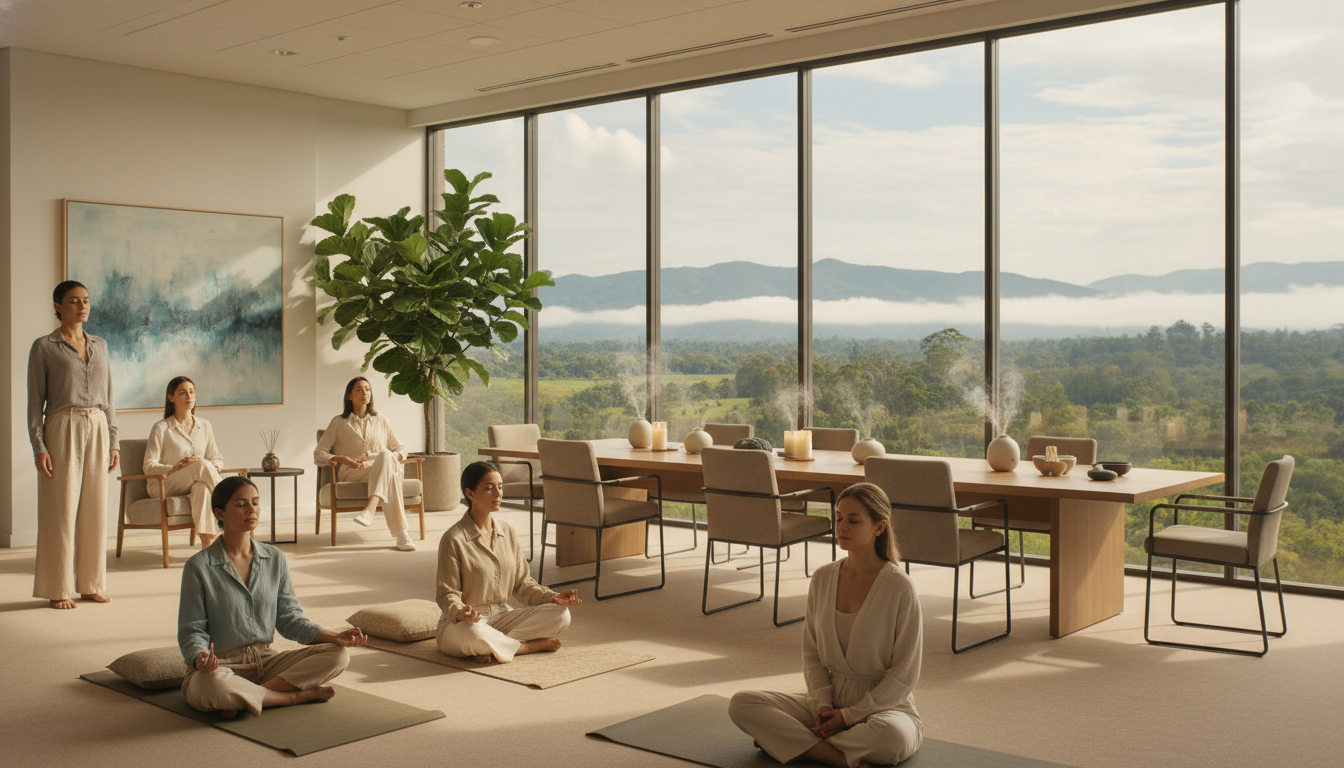
Adding mindfulness to our workday changes how we feel. Meditation helps us focus and work better. It makes our workplace a happier place.
Setting Intentions vs. Goals
When we chase success, knowing the difference between intentions and goals matters a lot. Goals have clear targets and deadlines. Intentions, however, are more open and flexible. This openness helps us be creative and innovative at work.
Setting practical intentions lets us adjust to changes easily. We stay open to new things without feeling stuck. This way, we focus on improving our work, not just getting results. It makes our work more enjoyable and fulfilling.
Telling our intentions clearly helps us connect with our work better. Saying things that match our values makes us more committed. When we aim for what we really want, not just the end result, we stay motivated.
| Intentions | Goals |
|---|---|
| Flexible and adaptable | Fixed and specific |
| Focus on the journey | Focus on the destination |
| Encourages creativity | Can lead to stress |
| Emphasizes personal growth | Provides measurable outcomes |
Choosing to set intentions over strict goals changes how we work. We encourage everyone to try this for a better work life.
Creating a Gratitude Practice
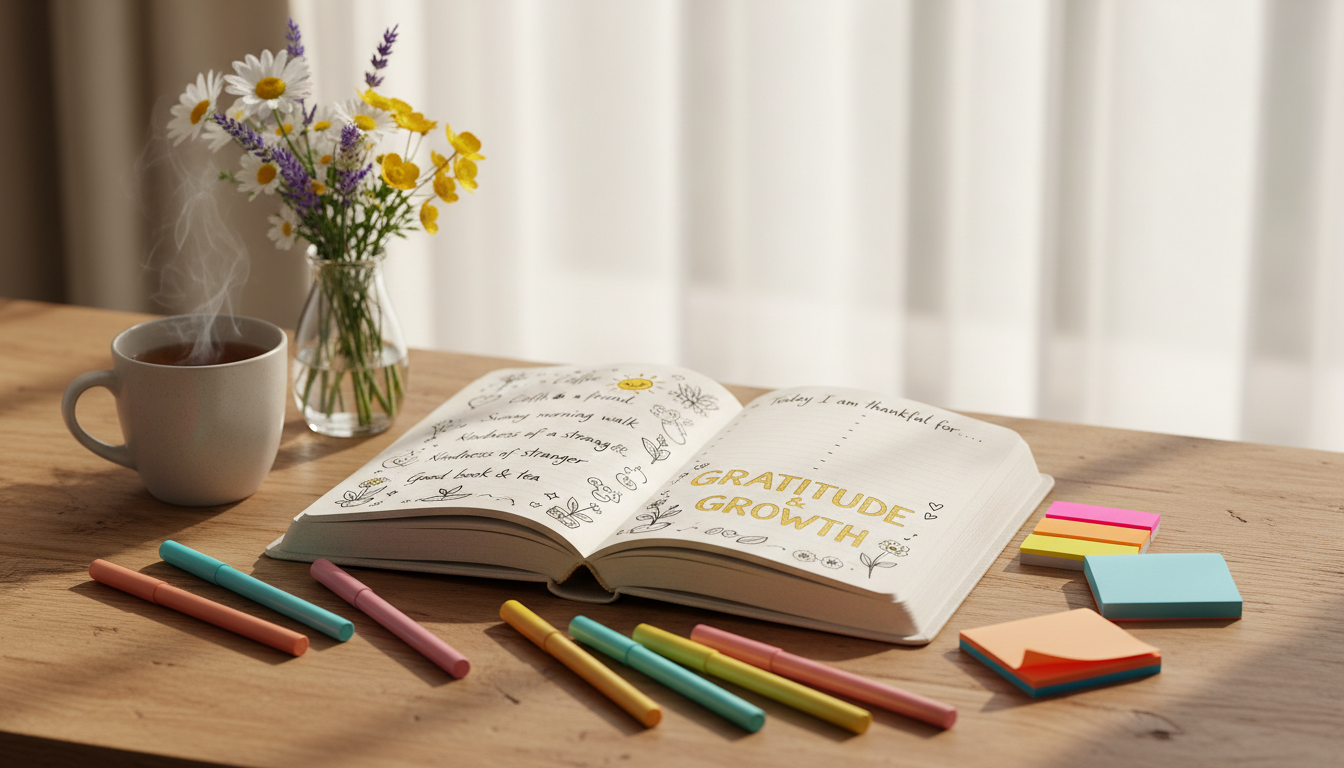
Adding a gratitude practice to our work life can change how we see things. Using a gratitude journal helps us notice the good things around us. This simple step moves our focus from stress to the positive moments in our jobs.
Studies show many good things come from being thankful. It makes us feel better by helping us connect with others. It also makes our work place happier and more positive.
To make gratitude a part of our day, we can start small. Just a few minutes each day to write down what we’re thankful for can be very rewarding. We can also share these thoughts in team meetings. This way, we not only feel better ourselves but also help make our work place a better place for everyone.
Limiting Overthinking and Rumination
Overthinking and rumination can really mess up our work and how we get along with others. We can take steps to handle these problems. One way is to set aside time just for thinking deeply.
This lets us work better and keeps overthinking from getting in the way. It helps us stay on track with our daily tasks.
Mindfulness is also a great tool against rumination. Doing simple things like deep breathing helps us stay in the now. It makes our thoughts clearer.
Knowing our limits helps us control our thoughts better. This helps us feel less overwhelmed.
Using these methods to fight anxiety makes our work place better. It helps everyone feel more mentally healthy. Together, we can reduce overthinking and make our work lives better.
Building Your Natural Workflow
Building our natural workflow means knowing how we work best. We find out when we’re most productive and where we do our best work. This helps us work in a way that feels right for us.
First, we look at when we do our best work. Some people work best in the morning. Others do better in the afternoon or evening. Knowing this helps us plan our work for when we’re most focused.
Having the right workspace is also key. A clean, well-lit area with the right tools makes a big difference. Making our workspace our own boosts our motivation and performance.
Finally, using natural workflow strategies like taking breaks and setting doable tasks helps us stay focused. Working with our natural flow boosts our efficiency and creativity.
Trusting the Process: Finding Your Work Flow
Trusting the process means believing in our work journey. It’s okay if it’s not always smooth. This belief helps us see the ups and downs of work.
Being patient is key. It lets us grow without rushing. We learn to enjoy the journey, not just the end.
Looking at challenges as steps forward is important. Letting go of control makes work easier. This way, we work better and feel happier.
Feeling good about our tasks helps us do better. Knowing how our emotions affect our work is crucial. It makes us more creative and better at solving problems.
Overcoming Resistance to Flow
We often face obstacles that stop us from getting into flow state at work. These barriers might come from negative thoughts or too many tasks. Spotting these hurdles is the first step to beating them.
Using techniques to help us flow can make us more productive and happy. Mindfulness helps us stay in the moment and avoid distractions. Being kind to ourselves when we fail helps us grow stronger.
Working with others can help us overcome challenges. We can share ideas and find ways to flow better together. Knowing what decisions feel right for us helps us work better and stay true to ourselves.
Conclusion
Working without worry is more than a trend. It’s key to long-term wellness at work. By being aware of our feelings and practicing gratitude, we make our work better. This helps us work better together and be more creative.
When we trust each other and the process, we grow together. This helps us handle work challenges better. It makes our workplace healthier and more empowering.
By following these ideas, we can make work better for everyone. Embracing natural flow makes us more mindful and caring. It creates a place where everyone can do well and be happy.
FAQ
What is natural flow in the workplace?
Natural flow is when we work easily and smoothly. It’s like water flowing to the ocean, moving around things without trouble.
How can embracing natural flow enhance workplace wellness?
Trusting our natural flow helps us work clearly and make quick decisions. It lowers stress and makes our work place better. This improves our mental health and boosts creativity.
What importance does emotional awareness hold in our work culture?
Emotional awareness helps us understand and handle our feelings and others’. It makes our work place supportive. This boosts team spirit and encourages talking openly.
How can mindfulness practices help reduce workplace anxiety?
Mindfulness, like deep breathing and meditation, helps us stay calm at work. It improves our focus and decision-making. This makes our work place better.
What is the difference between setting intentions and goals?
Goals are strict and focus on results, causing stress. Intentions are flexible and guide us without pressure. They help us work more freely and creatively.
How can we create a gratitude practice in our work environment?
Start a gratitude practice by noticing and thanking for the good things at work. Use a gratitude journal. This changes our view from stress to thanks, improving team spirit.
What strategies can help manage overthinking at work?
To stop overthinking, set aside time for focused thinking. Use mindfulness and deep breathing. This helps us control our thoughts and avoid feeling overwhelmed.
How can we build a natural workflow that enhances productivity?
Create a workflow that fits us by matching tasks with our style. Find our best work times. Make a work place that encourages creativity and gets things done well.
What does it mean to trust the process in our work tasks?
Trusting the process means letting go of things we can’t control. It’s about being patient and positive. This helps us see challenges as chances to grow and get involved.
How can we recognize and overcome resistance to achieving flow?
To beat resistance, spot negative thoughts and things we don’t need to do. Practice kindness to ourselves, use mindfulness, and work together with others. This helps us work in a real and effective way.