
Did you know 85% of workers feel stressed at work? This stress comes from always being busy. It goes against John Maynard Keynes’ dream of 15-hour workweeks by 2030.
Instead, we’re stuck in a never-ending cycle. We chase goals that seem impossible. Let’s look at how to make designers work better and teams be more creative.
We’ll find out what old myths hold us back. We’ll see how calm workspaces help. By reducing stress, we can focus better and do more.
Key Takeaways
- A significant percentage of employees feel stressed in their work environment.
- Constant busyness undermines the idea of calm productivity.
- Mindful approaches can help improve designer productivity.
- Traditional productivity myths hinder creative team performance.
- Addressing workplace stress is vital for fostering creativity.
- A calm workspace can enhance overall team dynamics.
The Myth of Constant Productivity
Many think being busy means you’re doing well. This is a trap in hustle culture. It values doing more over doing better.
People measure their success by how long they work, not what they achieve. This is not right.
These myths hurt our minds and how well we work together. Always being “on” makes us stressed and tired. We need breaks to think and be creative.
Being productive means finding a balance. Giving ourselves time to think and create is key. This way, we do better work and come up with new ideas.
Understanding the Hustle Culture
The hustle culture is all about working hard all the time. It makes us think being busy is good. But it can hurt our health and creativity.
In marketing and design, the need for new ideas is always there. This makes us think success means working non-stop. But is that really true?
Feeling guilty for taking breaks is common. We might focus too much on doing a lot, not on doing it well. This can hurt our creativity and work quality.
Working too much can make us feel burned out. We might feel anxious and not be as productive. A good marketing plan should balance work and rest.
It’s important to see how hustle culture affects our minds. By understanding this, we can change what we think of success.
How Stress Impacts Designer Creativity
In design, managing stress is key to new ideas. We often feel a lot of pressure to do well. This can stop us from being creative.
Stress makes it hard to play and try new things. This is important for coming up with new ideas.
Studies show stress hurts our ability to think creatively. When we’re stressed, we focus on just getting things done. This can make us unhappy and burn out.
We need to find ways to lower stress. This will help us be more creative and happy at work.
Knowing how stress hurts us is the first step. By managing stress, we can make a better work place. This helps everyone be more creative and work better together.
Why Forcing Outcomes Hinders Success
On our path to success, wanting specific results can hold us back. When we think like entrepreneurs, we might push too hard for results. This can stop creativity, especially in design teams.
Good team management means being flexible. By focusing on the process, not just the end result, creativity grows. Teams do best when they can explore and not just aim for set goals.
It’s key to change how we work on projects. We should encourage teams to adapt and be strong. This way, we find success that fits our vision and uses everyone’s talents.
Improve Designer Productivity Through Mindfulness
In today’s fast world, we often forget the calm mind’s value. Mindfulness helps us focus and be creative. It makes us more productive at work.
Meditation is a great start. A few minutes each day can make us less stressed and clearer. We can fit it into our day, taking short breaks to breathe.
Also, taking breaks is key. Stepping away from screens refreshes our minds. This makes us come back to work with more energy and ideas.
Journaling or sketching mindfully adds more to our work. Writing down thoughts or drawing ideas lets us explore our creativity.
Adding mindfulness to our daily life boosts our work. It helps us handle stress and leads to new ideas. This makes our workplace a healthier place.
| Mindfulness Technique | Benefits |
|---|---|
| Meditation | Reduces stress and enhances focus. |
| Scheduled Breaks | Refreshes mind, boosts creativity. |
| Reflective Practices | Unlocks creativity and deepens thought process. |
Tips for Cultivating a Calm Workspace
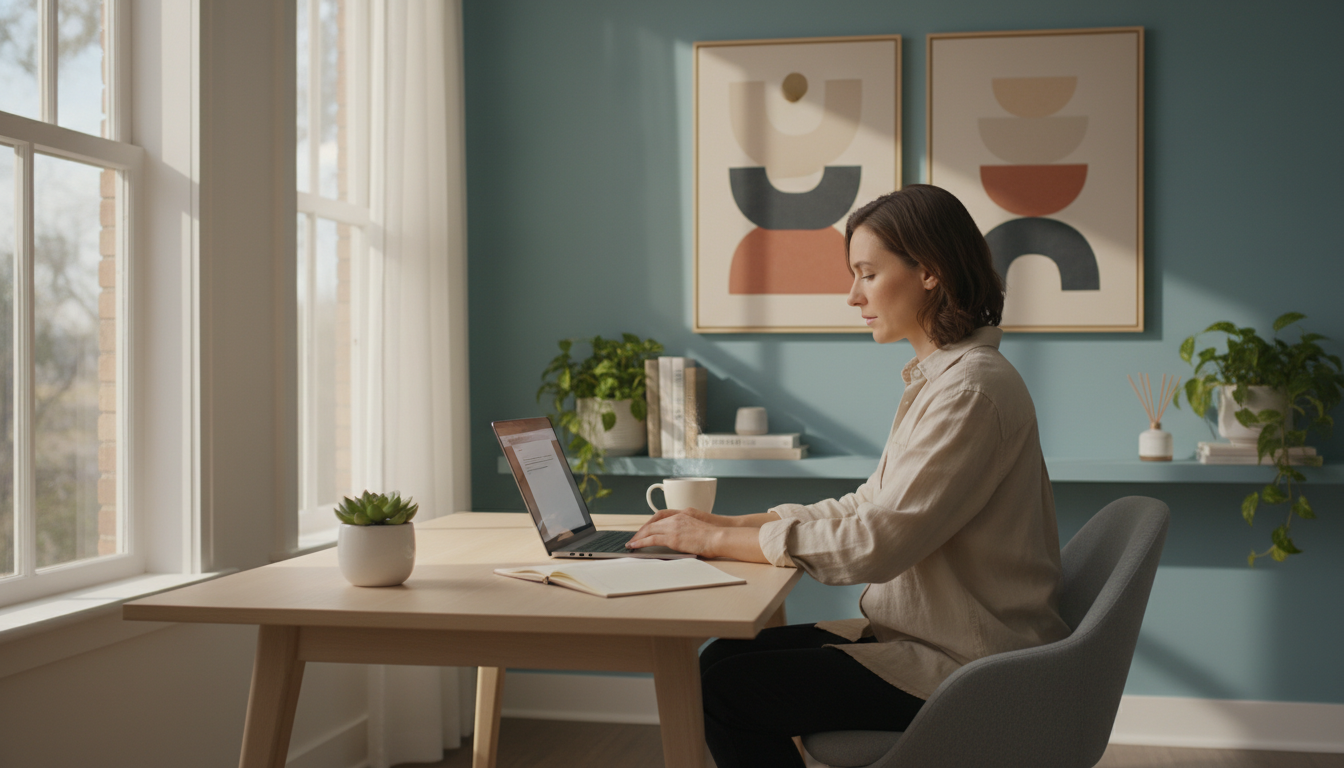
Creating a calm workspace is key for better team work and design. Start by cleaning up your space. Get rid of things you don’t need and organize your digital files. This makes your mind clear and helps you focus.
Adding plants to your workspace is a great idea. They make your area look nice and clean the air. Plus, they help make a calm and creative space. Putting your desk near a window also brings in natural light, making you feel better.
Don’t forget about making your space comfortable. Good chairs and adjustable desks help your body and mind. These small changes can make you more productive and focused.
Creating a calm workspace helps ideas grow. With the right setup and care, your team can be more creative and productive.
The Role of Flexible Schedules in Productivity
Flexible schedules help creative workers do their best. They let team members work when they’re most focused. This makes creativity bloom and boosts design team work.
Companies that offer flexible hours see big changes. Google, for example, is happier and has less turnover. This shows how good work-life balance is key for designers.
Let’s look at how traditional and flexible schedules compare:
| Aspect | Traditional Schedules | Flexible Schedules |
|---|---|---|
| Employee Satisfaction | Lower | Higher |
| Peak Productivity Times | Fixed Hours | Customized by Employee |
| Work-Life Balance | Often Imbalanced | Enhanced |
| Team Morale | Standard | Boosted |
Flexible hours make work better. They lead to new ideas and great designs. By valuing flexibility, we make our teams happier and more productive.
Embracing Non-Productive Moments
We often forget the good in not doing much. These breaks help balance our busy work. They let our minds relax and help new ideas grow.
Doing fun things, like going for a walk, helps us relax. It makes us feel better and think differently. It’s amazing how doing nothing can lead to great ideas.

Adding these breaks to our day changes how we work. Seeing downtime as useful makes us more creative and work better together.
Creative Leadership: Guiding Teams with Compassion
Being a creative leader means making our design team feel safe and supported. When we show kindness in managing our team, everyone talks openly. This makes designers feel important, which makes them more confident and creative.
We should really listen to what each team member says. Being kind helps us understand their problems better. This leads to better teamwork and new ideas. With kindness, designers feel safe to try new things without fear.
It’s important to see what each team member is good at. When we praise their work, big or small, everyone works harder together. This makes our team strong and united.
Being kind in our team makes everyone grow. Our supportive space helps designers improve and take charge of their work. When we care about our team’s feelings, our team gets better.
Using kindness in leading our team makes us all better. It makes our team feel like a family. This kindness helps us succeed in our design work together.
Conclusion
As we finish our look at calm productivity, let’s think about what we’ve learned. We’ve seen how being always productive is not always good. It’s better to be flexible and take breaks.
This helps us grow and be creative. We also learned about hustle culture and how it can be bad. It makes us stressed and not well.
Being mindful every day helps us deal with work better. It makes us focus on being happy and doing well at work. Being calm helps us think clearly and do better work.
Now, let’s check how we work. Do we stick to strict plans or do we like to be flexible? Being flexible makes us better at work and makes work a better place.
It’s time to see work in a new way. Let’s value calm, creativity, and working together. This makes work better for everyone.
FAQ
What is the myth of constant productivity?
The myth says being busy means you’re successful. This makes work stressful. It makes people feel they must always be doing something, not just doing meaningful work.
How does hustle culture affect creative professionals?
Hustle culture makes overwork seem good. It makes people feel bad when they’re not working. This hurts their well-being, leading to burnout and less creativity.
What are the detrimental effects of stress on creativity?
Stress hurts a designer’s creativity. It makes it hard to think new ideas. Too much work can lead to burnout, making job satisfaction and creativity drop.
Why is flexibility important in project management for creative teams?
Flexibility lets designers work how they best create. It helps them focus on the process, not just the end result. This leads to lasting success and new ideas.
How can mindfulness improve productivity for designers?
Mindfulness, like meditation, makes work calmer. It helps designers focus better and feel less stressed. This makes them more productive and happy.
What are some tips for creating a calm workspace?
To make a calm space, clean up and add plants. Make sure your chair is comfy. A peaceful space helps everyone focus and be creative.
How does flexible scheduling improve work-life balance?
Flexible hours let people work when they’re most focused. This improves their life outside work. It makes the workplace happier and more productive.
Why is it important to embrace non-productive moments?
Taking breaks is key to creativity. Relaxing or playing can spark new ideas. It helps solve problems and makes work better for everyone.
How can empathetic leadership enhance team performance?
Leaders who care create a supportive team. This leads to better communication and teamwork. It makes the whole team work better together.