
Did you know nearly 40% of designers feel very burned out? This is a big problem worldwide. Companies are losing their best designers fast. They struggle to keep them because of the high stress in creative teams.
It’s important to know why designers get so burned out. This helps make our teams happier and more efficient.
Key Takeaways
- The statistic highlighting designer burnout reflects a serious issue within creative teams.
- High turnover rates contribute to a significant loss of talent and resources.
- Understanding and addressing the causes of burnout can improve designer retention.
- Effective team management is essential for fostering a supportive work environment.
- Improving creative department efficiency can reduce the risk of burnout.
- Creating a positive work culture is vital for retaining our best designers.
The Rising Challenge of Creative Burnout
Creative burnout is a big problem in today’s fast-paced work world. Many designers feel tired and unhappy because of too much stress at work. This stress hurts not just them but also their teams.
Studies show that many workers are burned out. This makes it hard for them to come up with new ideas. The pressure can make it hard to be creative and work well together. When team spirit goes down, working together becomes even harder.
It’s important to know that burnout isn’t just about one person. It shows big problems in how we work and organize. By understanding what causes burnout, we can make our work places better for creativity and teamwork.
Understanding the Statistics Behind Designer Burnout
We look into the burnout statistics that show designers’ big challenges. A recent survey found 24% of designers feel very burned out. This is a big worry.
Those in the tech industry burnout face even more stress. Many feel stuck by tight deadlines and not enough help.
Team work is also key. Many design teams feel unmotivated. This is because of unresolved conflicts and unclear expectations. This problem hurts both the team’s happiness and work quality.
Looking closer at these numbers shows us a lot. By knowing how much tech industry burnout and discontent among designers exist, we can start to find good solutions. These solutions will help keep great talent and make work places better.
The Urgency of Addressing Burnout in Creative Teams
In today’s fast world, it’s key to tackle burnout in creative teams. A retention crisis shows how vital it is to understand burnout’s effects. Ignoring burnout signs can lead to losing top designers, hurting our ability to innovate.
Burnout affects not just one person but the whole team. It creates a vibe of frustration and disengagement. This can stop teamwork and lower productivity. But, focusing on mental health boosts morale, teamwork, and creativity.
So, we must spot burnout signs early and act fast. Supporting mental health keeps our talent and creates a great creative space. Tackling burnout helps us keep a team that can do amazing work.
Why Top Talent Is Leaving: A Deep Dive Into Causes
It’s key to know why great designers leave their jobs. High workloads and bad systems often push them out. Designers get too much work and feel their creativity is blocked.
They start to feel frustrated and burned out. This makes them want to leave.
Also, a culture of silent unhappiness is a big problem. People don’t speak up about their issues. This makes things worse.
It leads to more designers leaving. Companies then struggle to keep their talented artists.
| Causes of Turnover | Impact on Designers | Potential Solutions |
|---|---|---|
| Overwhelming Workloads | Increased stress and burnout | Reevaluate project timelines and delegate tasks effectively |
| Systemic Inefficiencies | Frustration and reduced creativity | Implement streamlined processes and regular feedback loops |
| Cultural Issues | Low morale and disengagement | Foster an open dialogue and support among peers |
Knowing these problems helps us make better work places. We can create a supportive culture. This way, we can keep more designers and help them be creative.
The Real Cost of Losing Designers
When we lose talented designers, it costs a lot of money. Replacing them can take six to nine months of their salary. This is just the beginning of the costs.
There are also hidden costs. These include lower morale and a weaker team spirit. These problems make things even harder.
Designers leaving also hurts our work. We lose skills and face delays in projects. This means our work quality and customer happiness suffer.
Each time we lose a designer, our brand’s image is at risk. We must keep our team strong to protect our reputation.
| Cost Type | Estimated Cost ($) |
|---|---|
| Recruitment Expenses | 5,000 – 10,000 |
| Training New Hire | 2,000 – 4,000 |
| Lost Productivity | 10,000 – 20,000 |
| Cultural Degradation | 5,000 – 15,000 |
Understanding these costs helps us fix the problem. We can strengthen our creative teams. This way, we can avoid big losses.
Why Traditional Solutions Fall Short
Looking into burnout in creative fields, we see why old solutions don’t work. Many companies think they’re quick fixes, not real solutions. Yoga and meditation apps might help a bit, but they don’t solve the big problems at work.
Studies from MIT Sloan show a big mistake. Companies think simple fixes are enough. But this makes workers unhappy. Instead of real changes, they just offer quick fixes that don’t last.
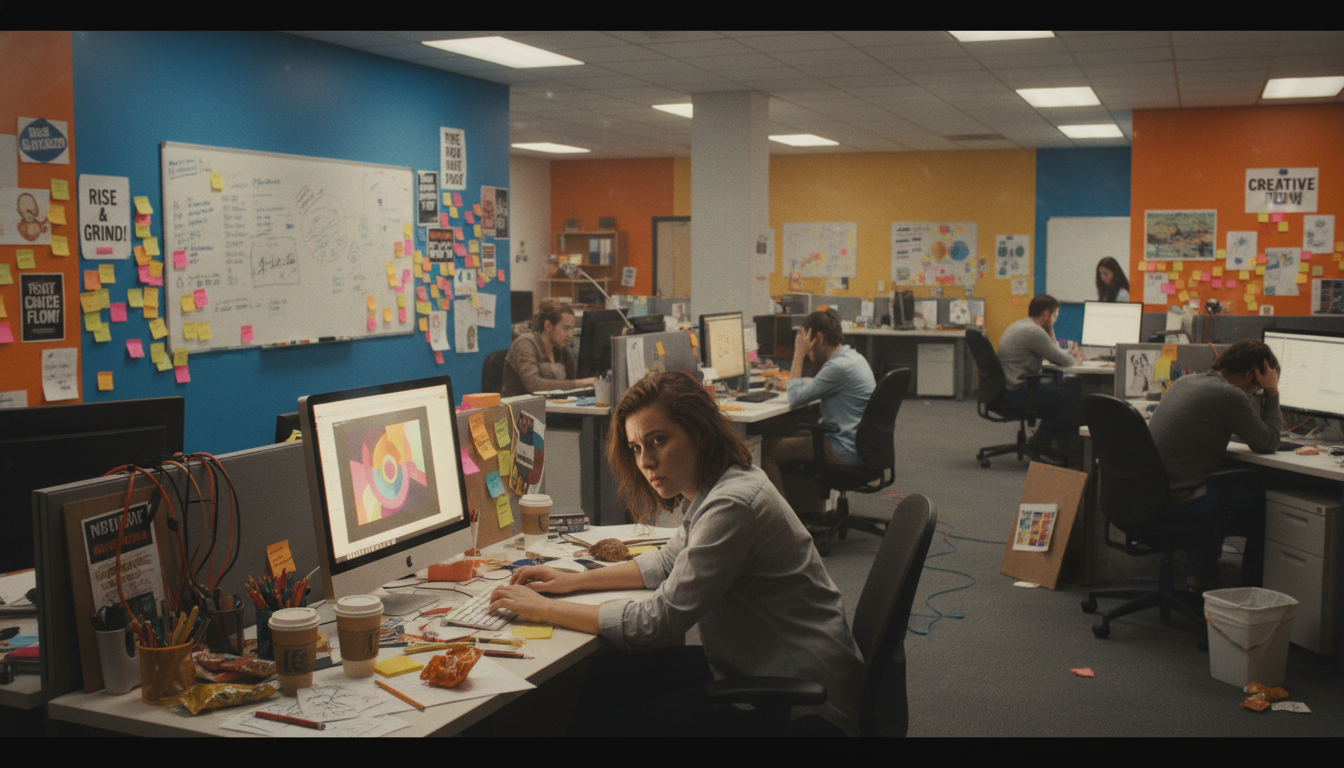
Trying to fix just one person at a time doesn’t work for long. It might make people feel better for a while. But it doesn’t fix the real problems like too much work or not enough help. We need to understand this to really help our creative workers.
What Works to Retain Top Talent
To keep top talent, we need a plan that works. This plan should mix good retention strategies with green design. By making work roles better, we create a place where people can be creative and work on their own.
This change helps designers do their best. It also makes our team more innovative.
Using DesignOps can make things run smoother. It cuts out things we don’t need. This lets designers focus more on their work.
We must set up our teams right. This means having the right support when needed. Creative leaders are key. They make sure everyone feels heard and works together well.
Our goal is to make a creative community in our company. By supporting our team well, we keep great designers. We also make our team more creative and productive.
| Strategy | Benefits |
|---|---|
| Redesigning Work Roles | Encourages autonomy and boosts creativity |
| Implementing DesignOps | Streamlines processes, increases efficiency |
| Promoting a Supportive Structure | Enhances collaboration and team morale |
| Championing Creative Leadership | Fosters a thriving creative culture |
The Role of Team Management in Designer Retention
Good design team management is key to keeping talented designers. The way leaders lead affects how happy and creative people are. Clear talk builds trust, which is very important in creative work.
When designers feel listened to, they stay more involved and dedicated. This makes them want to keep working on their projects.
It’s also important to have feedback that helps grow creativity. Regular talks help us know what our team needs. This makes our team work better and feel good about their ideas.
By focusing on good team management, we keep our team happy and productive. We make sure leaders help the team do well. This creates a place where new ideas can grow.
Creative Department Efficiency: Strategies for Success
To make our creative team better, we need smart plans. These plans should help us work better together and be more productive. Making our work flow smoother is key to doing more in less time.
Having one place for all our assets helps a lot. It lets everyone find what they need fast. This means we can spend more time being creative.
Distractions can really slow us down. We can make our space quieter or use tools to block out noise. This helps our team focus and do their best work.
It’s also good to talk about how things are going. Sharing feedback helps us get better and feel good about our work. When we work together, we all do better and make something amazing.
Best Practices for Building a Supportive Work Culture
Creating a supportive work culture is key for any team. It makes sure everyone feels valued. We can do this by following clear steps that make our team happy.
Recognizing our team’s work is very important. It makes them feel good about what they do. Talking openly helps everyone feel heard and important. This makes our team feel like they belong.
Helping our team grow is also important. Training and workshops improve their skills. This shows we care about their growth, making them happier and more engaged.
Working together as a team is also crucial. It builds trust and makes us stronger. When we work together, we achieve more. This makes our team feel united and creative.
Establishing Boundaries for Sustainable Work
Creating a culture that values work-life balance is key for sustainable work. It’s especially important in creative fields. We need to set boundaries to protect our time and boost productivity.
When designers know what’s expected, they can handle their work better. This makes them feel more in control.
Leaders must show good work-life balance habits. This sets a good example for the team. Simple steps like not working too late and taking breaks help a lot.
These actions make work and personal life match better. This creates a healthy work place.
A study showed that setting boundaries helps keep employees happy and reduces turnover. Sustainable work is more than just finishing tasks. It’s about making a place where creativity and well-being go hand in hand.
We need to keep checking our work habits. This makes sure we’re really helping work-life balance.
Measuring Success: Assessing the Impact of Changes
It’s key to check if our plans are working well. We use many ways to see how our team feels. One good way is to ask them through surveys.
Looking at how well the team does is important. We track how much they get done and if they stay with us. This helps us see what’s working and what’s not.
By using these methods, we can make our team better. This way, we know what’s going right and what needs work.

Conclusion
Looking at keeping creative talent, we see big challenges. Burnout and making work efficient are key issues. But, by taking action and supporting each other, we can keep our best designers.
This approach is crucial for the future of design teams. It helps us do better work together.
We talked about ways to fight burnout. It’s important to make work sustainable and support mental health. This keeps creativity alive and work fun.
In short, caring for our creative teams means our company does well. By tackling these challenges, we make our creative space stronger. We’re all in this together, aiming for a better future in design.
FAQ
What are the main causes of creative burnout in design teams?
Burnout comes from bad systems, too much work, and high stress. It also happens when there are big conflicts and tight deadlines.
Why is addressing designer burnout critical for organizations?
It’s key because burnout hurts keeping good people, team work, and how much gets done. If ignored, it can cause big losses.
How does designer burnout affect a company’s bottom line?
Burnout can cost a lot, like 6-9 months of a designer’s pay. It also lowers how much work gets done and hurts the team’s spirit.
What are some ineffective traditional solutions for burnout?
Old fixes like yoga and meditation apps don’t really help. They just cover up the real problems in the workplace.
What actionable strategies can help retain top creative talent?
To keep the best talent, give them more freedom, use DesignOps, and build a supportive team. Also, talk openly and listen well.
How can effective team management aid in designer retention?
Good leaders and open talk are key. They make teams happy and productive, helping keep designers around.
What steps can a company take to boost efficiency in creative departments?
Make work flow better, have one place for all assets, and cut out distractions. This lets designers do their best work.
How can workplace culture be improved for designers?
Create a welcoming place that values being recognized, growing, and feeling supported. This makes designers happy and engaged.
What methods can be used to promote work-life balance for designers?
Set clear limits, have realistic goals, and show leaders being healthy. This helps designers balance work and life.
How can the effectiveness of changes in a creative department be evaluated?
Check how happy the team is, how many stay, and how much they get done. This shows if changes are working.